
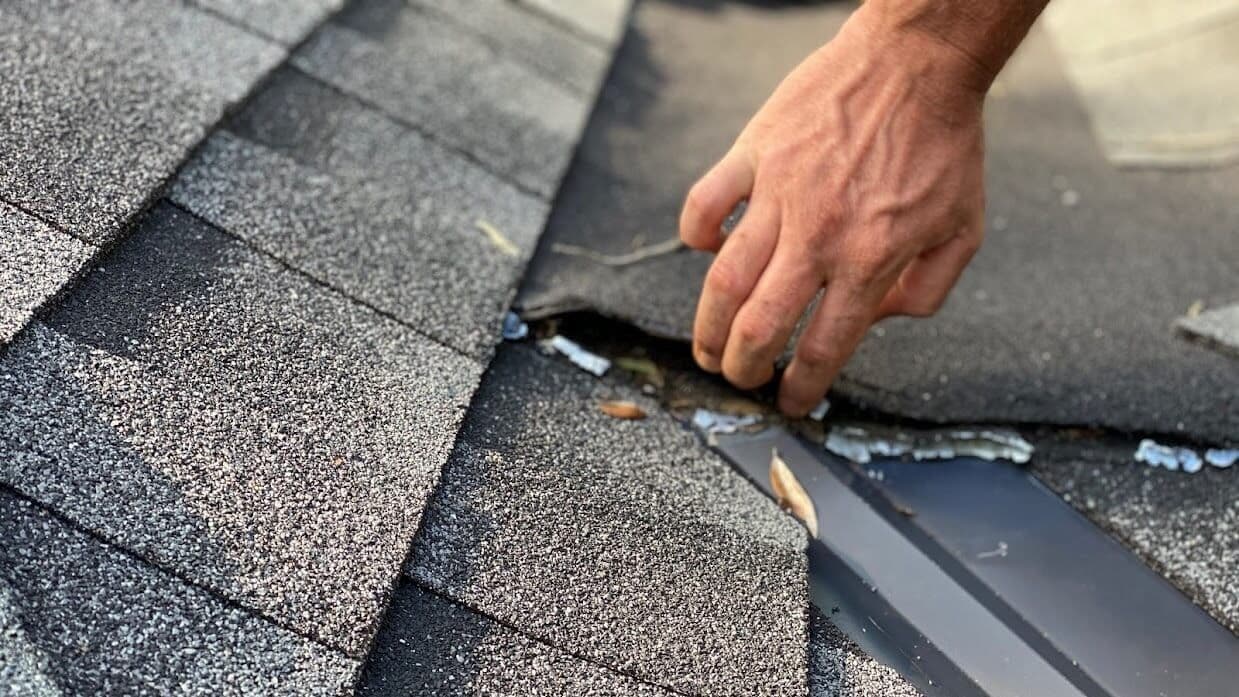
Exploring Vulnerable Areas of Your Roof in Sanpete County
Your roof is the first line of defense against the elements, protecting your home from rain, snow, and wind. However, not all parts of a roof wear out evenly. Some areas are more prone to leaks, damage, and deterioration over time. Knowing these weak spots can help homeowners take proactive steps to maintain their roofs and prevent costly repairs.
In this guide, we’ll be exploring vulnerable areas of your roof, teaching you how to assess your own roof, and explaining how we inspect your roof to ensure its long-term durability.
Why Roof Vulnerabilities Matter in Sanpete County
Sanpete County experiences a variety of weather conditions, from heavy snowfall in the winter to strong winds and UV exposure in the summer. These factors can accelerate wear and tear on certain parts of your roof, making regular inspections essential.
By learning how to assess your own roof, you can catch minor issues before they turn into major problems, saving money and protecting your home.
How to Assess Your Own Roof
While a professional inspection is always the best option, there are ways homeowners can perform a basic roof assessment to check for signs of damage.
1. Start from the Ground
Before climbing a ladder, take a step back and visually inspect your roof from the ground. Look for:
- Missing or curling shingles
- Dark streaks or moss growth
- Damaged or sagging gutters
- Debris buildup
2. Check Your Gutters and Downspouts
Gutters play a key role in roof drainage. If they are clogged, water can back up and seep under shingles. Check for:
- Clogged or overflowing gutters
- Loose or detached sections
- Granules from shingles in the gutters (a sign of shingle wear)
Learn more about the importance of proper gutter maintenance from the U.S. Environmental Protection Agency.
3. Inspect from the Attic
Your attic can reveal early signs of roof issues. Look for:
- Water stains on rafters or insulation
- Sunlight coming through the roof boards
- Musty odors indicating moisture buildup
4. Perform a Close-Up Inspection (If Safe)
If you are comfortable using a ladder, do a closer inspection of the roof itself. Check for:
- Cracked, missing, or curling shingles
- Rusted or loose flashing around chimneys and vents
- Soft or sagging spots that indicate underlying rot
If you notice any of these signs, it’s time to call a professional roofer for a more detailed inspection.
Low monthly payments available —
9.99% APR, up to 10 years.
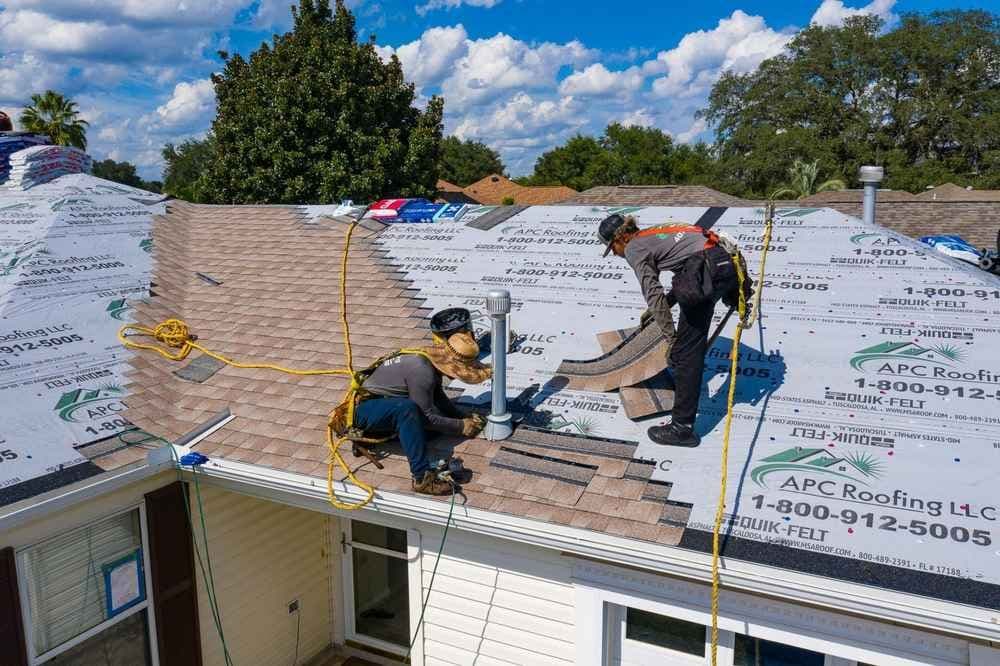
If you live in rural Utah, you know how quickly the weather can turn. One heavy snow season or windstorm, and suddenly you’re facing the roof replacement process head-on...

Living in rural Utah has its perks: open land, quiet roads, and wide mountain views. But when it comes to roof maintenance, those steep pitches and tall peaks can make access difficult...
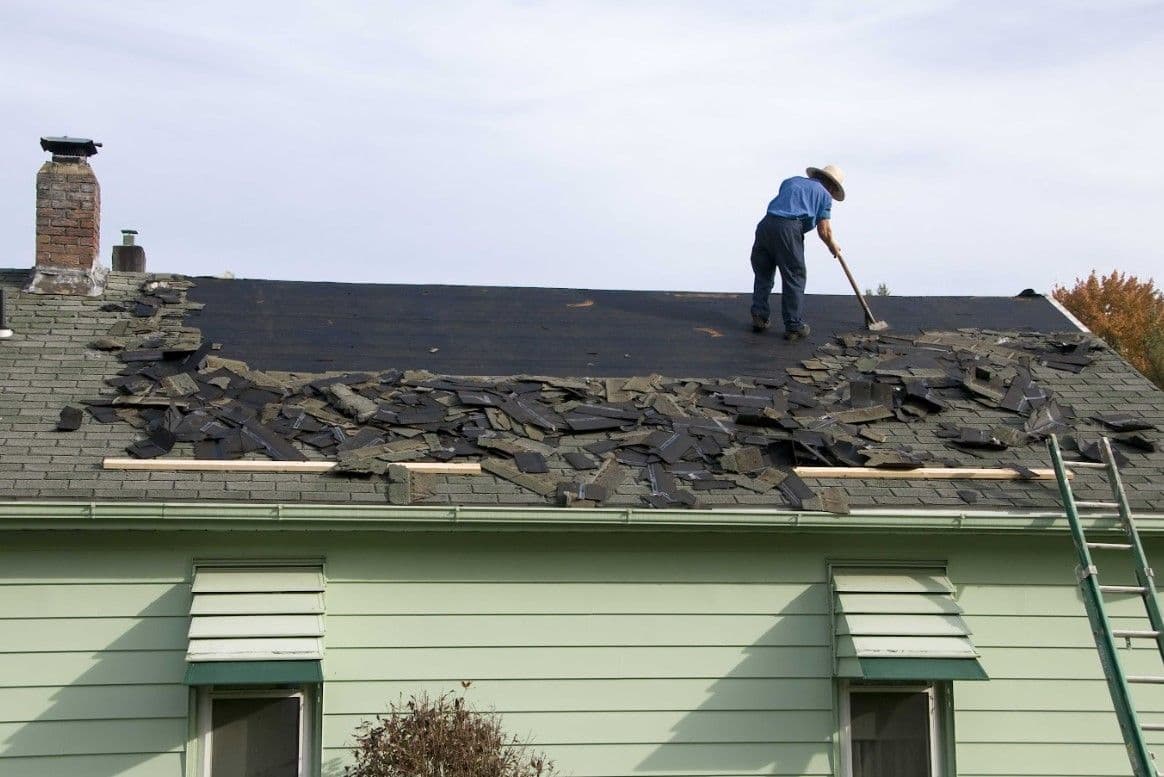
In Riverton, roofs don’t usually fail overnight. More often, it’s a small leak after a spring storm or shingles that don’t look quite right after another heavy winter...
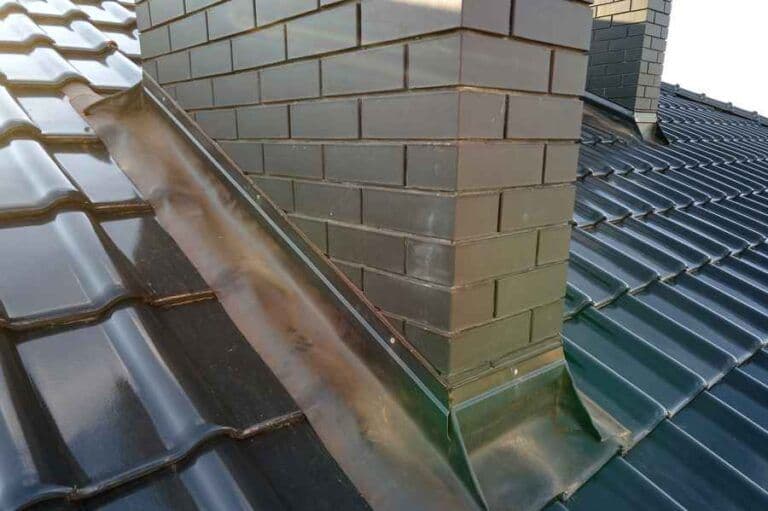
Exploring Vulnerable Areas of Your Roof
Certain parts of a roof are more prone to damage than others. Below are the most common weak points:
1. Roof Valleys
Why It’s Vulnerable:
- Valleys collect and channel water, making them prone to leaks.
- Debris buildup can block proper drainage.
How We Inspect Your Roof Valleys:
- Check for cracked or missing shingles in the valley.
- Ensure metal flashing is properly sealed.
- Look for signs of water pooling or debris buildup.
2. Flashing Around Chimneys and Vents
Why It’s Vulnerable:
- Metal flashing can corrode or pull away from surfaces, allowing water to enter.
- Chimney mortar can crack, creating small openings for moisture.
How We Inspect Your Roof Flashing:
- Look for rust, gaps, or deterioration in the flashing.
- Check for loose caulking around vents and chimneys.
- Ensure seals are intact and watertight.
Learn more about proper flashing installation from the National Roofing Contractors Association.
3. Skylights and Dormers
Why It’s Vulnerable:
- Skylight seals can deteriorate, allowing leaks.
- Dormer windows create joints where water can seep through if improperly sealed.
How We Inspect Your Roof’s Skylights and Dormers:
- Check for cracked or broken seals.
- Ensure flashing is securely attached.
- Inspect for water stains or damp spots around the interior window frame.
4. Roof Eaves and Soffits
Why It’s Vulnerable:
- Ice dams in winter can cause water to back up under shingles.
- Poor ventilation can trap moisture, leading to rot.
How We Inspect Your Roof’s Eaves and Soffits:
- Look for signs of wood rot or peeling paint.
- Check for proper attic ventilation.
- Inspect for animal nests, which can damage insulation.
5. Shingles and Roofing Material
Why It’s Vulnerable:
- Asphalt shingles deteriorate over time due to UV exposure.
- Hail, wind, and debris can cause cracks or granule loss.
How We Inspect Your Roof’s Shingles:
- Look for missing or damaged shingles.
- Check for excessive granule loss in gutters.
- Assess for blistering or curling caused by heat exposure.

How We Inspect Your Roof in Sanpete County
At Clean Cut Roofing & Siding, we take a thorough approach to roof inspections to ensure nothing is overlooked. Our professional inspection process includes:
1. Exterior Visual Inspection
- Walk around the property to assess overall roof condition.
- Check for signs of sagging, uneven surfaces, or discoloration.
2. Gutter and Drainage Assessment
- Inspect gutters for clogs, damage, or improper drainage.
- Ensure downspouts are directing water away from the home.
3. Structural and Material Evaluation
- Assess the integrity of shingles, flashing, and underlayment.
- Check roof valleys, chimneys, and vents for leaks.
4. Attic and Interior Inspection
- Look for water damage, mold, and insulation problems.
- Identify ventilation issues that could cause future roof damage.
5. Provide a Detailed Report and Recommendations
- Outline any necessary repairs or maintenance.
- Offer solutions to improve roof durability.
Protect Your Roof with Expert Inspections
Understanding how to assess your own roof is a great first step in maintaining its health, but professional inspections are essential to catch hidden issues. At Clean Cut Roofing & Siding, we specialize in exploring vulnerable areas of your roof and ensuring it’s built to withstand Sanpete County’s unique climate conditions.
If you suspect roof damage or simply want peace of mind, let our experts take a closer look.
Get a free estimate now and ensure your roof stays in top condition!
What Our Clients Say
“They did our roof a few years ago. They did a great job. We just had them do our siding. Again they did a great job. We highly recommend Clean Cut Roofing and Siding. Everyone is great to work with.”
Patty Mcfarland
“Delivered product to these guys from Montana,. They are on time and on the ball.”
David Knutson
“Great quality work. Good to communicate and coordinate work. Would recommend to anyone.”
Zac Dimmick
“It was easy to work with Clean Cut. From scheduling a quote to the easy ways to pay. They keep you up to date on when your install day will be. They were quick and clean when they installed our gutters and it looked great.”
Katelynn Everitt
“Clear Cut Roofing and siding did a great job. Their employees were clean respectful and did a good job. Me and my wife are very happy with the outcome of the new shingles some siding that they did soffit and facia as well as our rain gutters.”
Jason Sunderland
“Courteous and friendly. The work was completed quickly and professionally. I am very satisfied with the work they performed”
R. Mike Jacobson
“Best customer service ever. TK was very professional and did an amazing job!”
Ruth Dow
“They did a great job. They repaired even more than we thought. Also they made the roof stronger than it was before. Thanks guys”
Chad Randall


Contact Us
Mon-Fri: 8:00am - 4:00pm
Sat-Sun: Closed